
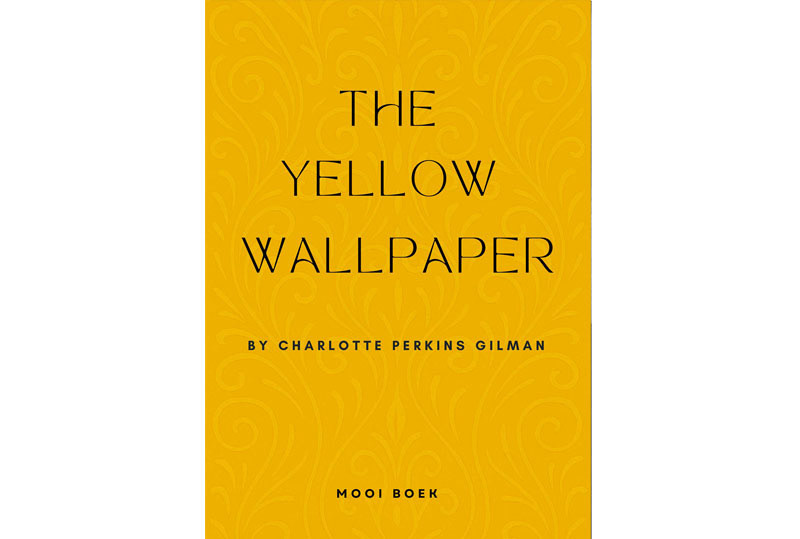
The Yellow Wallpaper is a landmark work by Charlotte Perkins Gilman—one of the most striking critiques of the social forces that shaped, silenced, and pathologized women’s mental health in American literature.
In the nineteenth century, postpartum depression was dismissed as simple nervousness, and it was considered perfectly acceptable—under the name of “rest cure”—to confine women to their rooms in the name of medicine and family duty.
Trapped in such a room, the narrator begins to see within the tangled patterns of the yellow wallpaper a shadowy figure: a woman who resembles herself. As repressed desire and long-imposed silence twist into shape along the warped lines of the paper, the reader witnesses not merely a woman coming undone, but a woman attempting her first, desperate escape.
Today, The Yellow Wallpaper continues to be read across literature, psychology, feminism, and the history of medicine. Far from being a simple tale of “female hysteria,” it exposes how social structures carve fractures into the interior life of a single human being—and how those fractures speak.